
You're on the dock with limited time, a camera in your bag, and one question that decides the day, what to do in Cozumel before the hours slip away. Start with the reef, the boat, the course, or the private charter that fits your trip, and skip the filler. Cozumel's tourism pattern is built around concentrated marine experiences, not slow inland wandering, so the smartest visitors plan around guided water time instead of trying to fill the day with random island detours. The island's recent tourism results back up that approach, with marine-focused travel continuing to drive demand in a very direct way.
Exploring Cozumel's Crystal Waters works as the right mindset, but only if you treat it as a plan, not a fantasy. If scuba, snorkel, PADI training, or a private boat day is on your list, book early and leave the rest of the day open. Dive operators like Scuba Life Cozumel are built for exactly that kind of trip, with guided dives, Discover Scuba sessions, courses, and charters arranged to align with how visitors use their time here. For site selection, start with the main Cozumel dive sites guide so you can match your booking to the reef conditions and the kind of water time you want.
Table of Contents
- 1. Guided Two-Tank Certified Dives on Cozumel's Reef Wall
- 2. Discover Scuba Diving for First-Time Divers
- 3. Guided Snorkeling Excursions on Shallow Reef Formations
- 4. Private Boat Charters for Families and Small Groups
- 5. PADI Certification Courses
- 6. Marine Life Observation, Reef Ecology Education, and Reef Safety Best Practices
- 7. Dive Site Specialization and Wall Diving Techniques
- 8. Seasonal Marine Life Migration and Seasonal Dive Planning
- 9. Equipment Rental, Maintenance, and Personal Gear Selection
- 10. Stay-and-Dive Vacation Planning and Resort Coordination
- Top 10 Cozumel Activities Comparison
- Ready to Book Your Cozumel Adventure?
1. Guided Two-Tank Certified Dives on Cozumel's Reef Wall
Certified divers should start here. Cozumel's signature dive is the drift dive, where the current carries you along walls, swim-throughs, and coral structures while the boat tracks the group and the guide keeps the route controlled. That setup fits a reef-heavy island where visitors usually want a clear, efficient dive day, not a complicated schedule.
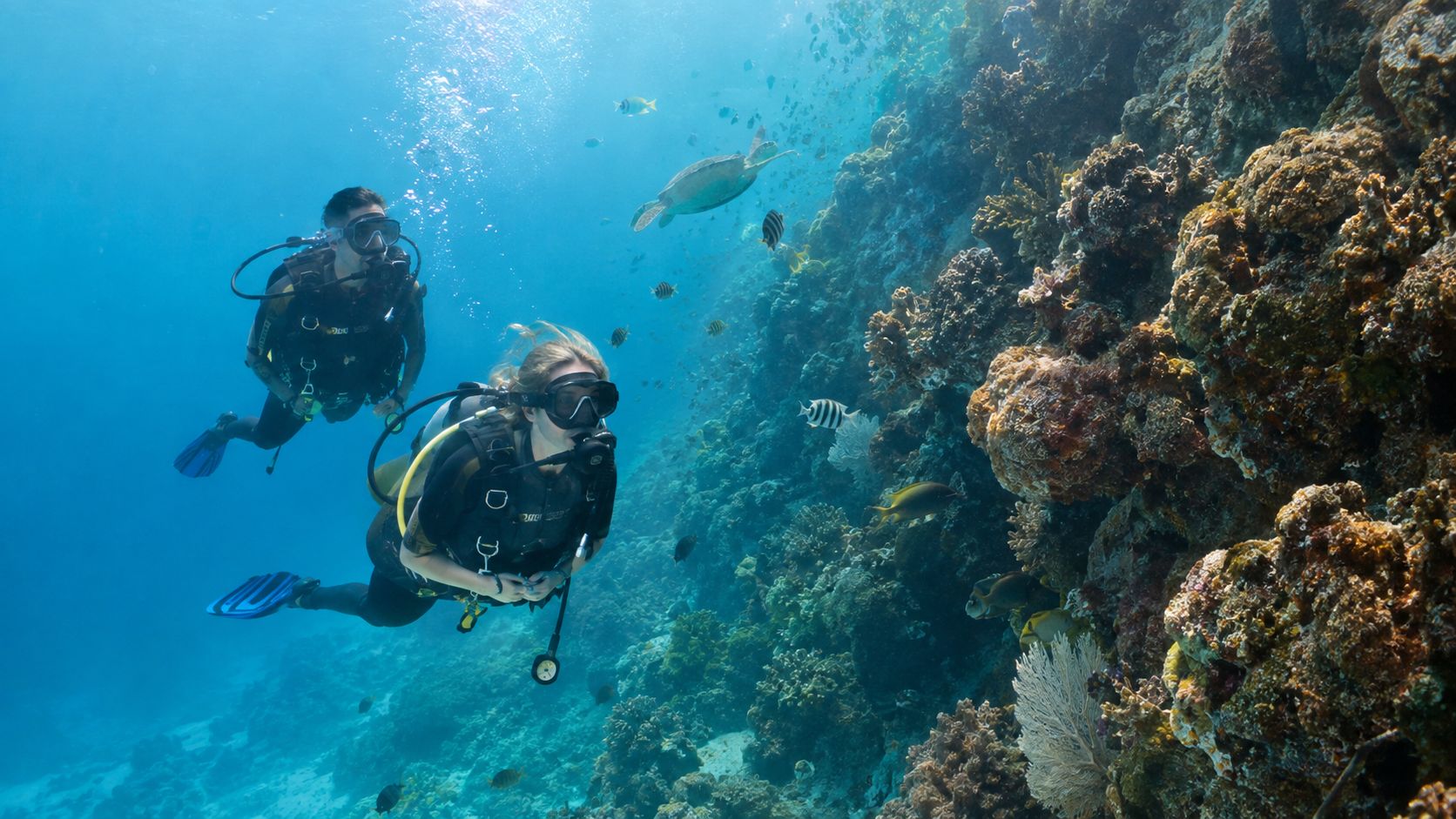
Morning departures are the smart choice. Visibility and boat traffic are often better earlier in the day, and the morning schedule leaves room for a second activity afterward. If you want to plan the day properly, read Scuba Life Cozumel's best dive sites in Cozumel first so you can decide whether you want wall lines, swim-throughs, or a shallower reef profile.
What makes these dives worth your time
Pick the site to match your confidence, not your ego. Santa Rosa Wall rewards strong buoyancy control and steady air use, while Palancar is the better pick if you want long coral passages and that open-water feeling. Yucab and Tormentós make more sense if you want a slightly easier profile without giving up Cozumel's classic drift style.
Practical rule: arrive early, check your kit carefully, and tell the guide if you want a more conservative profile.
Bring reef-safe sunscreen, but apply it well before boarding so it has time to settle. If you carry a camera, keep it simple and secure, because the best images here usually come from turtles, groupers, and clean reef frames, not from fiddling with gear.
For certified divers, Scuba Life Cozumel keeps the boat day straightforward. You get the kind of guided setup that fits a two-tank reef outing, and you can book directly without wasting time sorting through the wrong kind of product options.
2. Discover Scuba Diving for First-Time Divers
First-time divers need structure, not excitement. Discover Scuba gives you that structure by starting in controlled water, teaching the basic skills, and then moving you into the reef with an instructor close enough to correct problems before they build. In Cozumel, that approach works well for visitors who arrive with different comfort levels in the water and need clear instruction before they commit to a full dive day.
Start with the instructor and be direct. Say what worries you, whether it is mask clearing, breathing underwater, ear pressure, or simple anxiety. Do not wait until you are already geared up and the boat is on its way.
The goal is to make the first session manageable. A good program keeps the pace calm, explains each step plainly, and gives you enough time to adjust before you descend.
How first-timers should approach it
Use the early part of the vacation for this experience. If you enjoy it, you still have time to add another dive day or move into a certification path. If you do not enjoy it, you have learned that before spending more time and money on a full course.
A simple routine makes the day easier:
- Eat lightly: Have a small meal a few hours before, not a heavy breakfast that sits in your stomach.
- Skip alcohol: Do not drink the night before or before the session.
- Wear thermal protection: A wetsuit helps with warmth and gives first-timers a bit of extra confidence.
- Bring support: A friend or family member helps more than people admit.
- Speak up early: If you have a medical limitation or past water fear, say it before you enter the water.
Supervision offers significant value. A strong instructor slows the pace, checks your comfort constantly, and does not rush the reef entry. If you are nervous, that is fine. Nervous and guided beats confident and careless every time.
If you want a structured intro with a boat component, book the 2 PM – Discover Scuba Diving – 2 Boat Dives option through Scuba Life Cozumel. It fits first-timers who want a guided setup without having to sort through the wrong kind of activity.
3. Guided Snorkeling Excursions on Shallow Reef Formations
Guided snorkeling fits Cozumel well because it gives you real reef time without requiring certification. It also works for travelers who want a straightforward water day instead of trying to piece together activities from shore on their own.
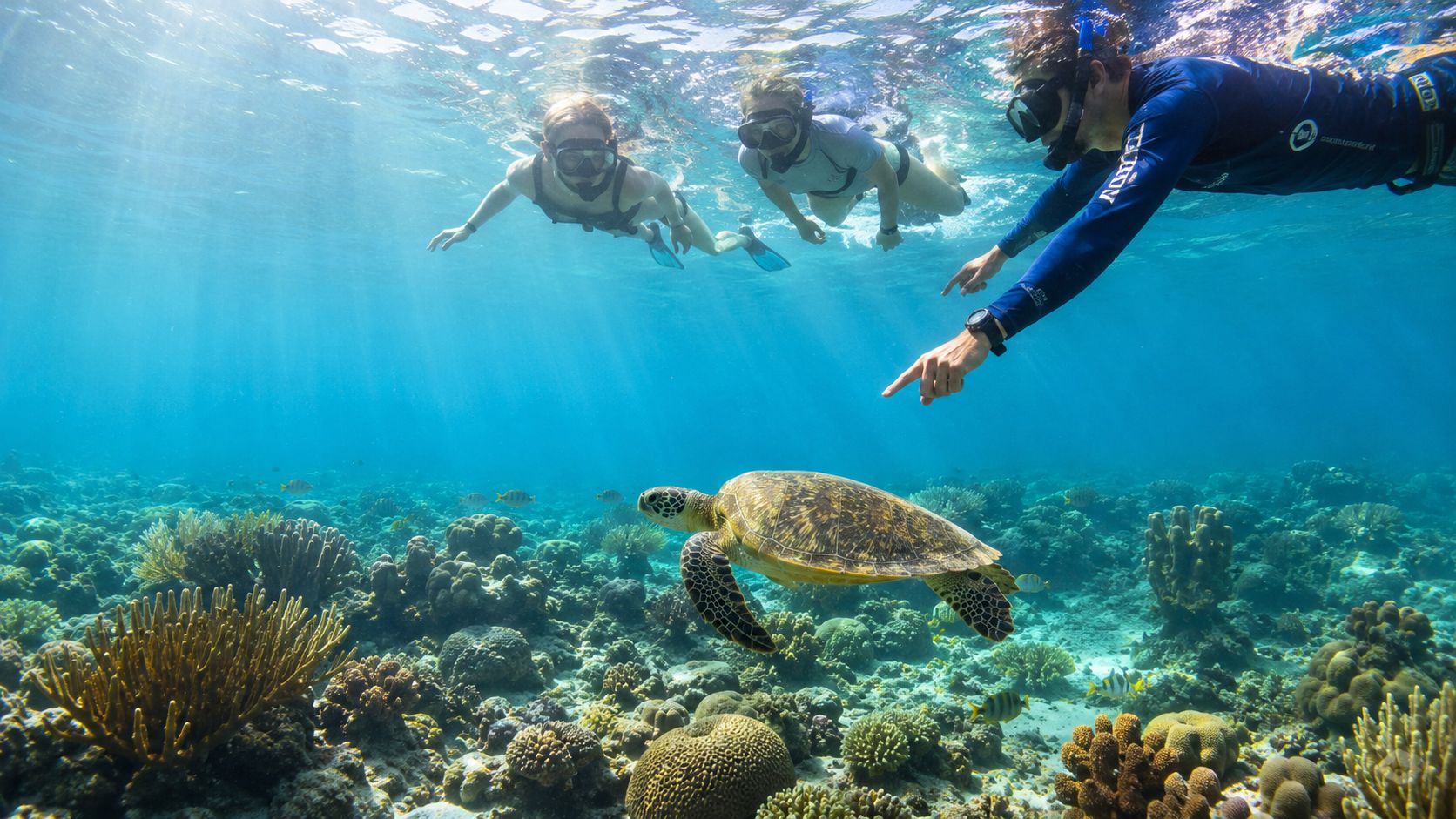
A good guide matters here. They know which shallow reef formations hold the most life, which areas stay comfortable for mixed skill levels, and how to keep the group close enough that nobody wastes the trip drifting off course. If you want a clean starting point, use Scuba Life Cozumel's best snorkeling spots in Cozumel to narrow the options before you book.
Why guided snorkeling beats guessing from shore
Shore snorkeling looks simple until you deal with a rough entry, weak visibility, or a reef that does not justify the effort. Guided trips remove those weak points. They also give you a better chance to see turtles, reef fish, and coral structure without turning the outing into a navigation exercise.
Use a simple standard:
- Stay shallow at first: Let your breathing settle before you start looking around.
- Protect the reef: Keep distance from coral and never touch animals.
- Choose the morning: Water is usually calmer and the trip feels less crowded.
- Wear sun protection: A rash guard reduces the need for sunscreen and cuts down on reapplication.
Keep the plan simple and let the guide do the work. A strong boat crew, a clear mask, and a direct run to the reef will do more for the day than any amount of random online searching. If your group includes both divers and non-divers, guided snorkeling keeps everyone on the same itinerary without forcing anyone into the wrong activity.
4. Private Boat Charters for Families and Small Groups
Private charters solve a common Cozumel problem, mixed expectations. One person wants scuba, another wants snorkeling, a third wants a calm pace, and the kids want something short and simple. A private boat lets you control the order, the site choice, and the tempo. That matters when your group is not built around the same skill level.
Cozumel also rewards a custom plan because the island gets busy and schedules compress fast. The less time you spend arguing after boarding, the more time you spend in the water, and a private charter keeps the day focused on your group instead of a fixed itinerary.
When a private boat is the better choice
Book private if your group falls into one of these buckets:
- Families with kids: Start with snorkeling, then decide whether the adults want a second water stop.
- Honeymoon couples: Skip the crowd, keep the pace relaxed, and choose a quieter site.
- Multi-generational groups: Put the easiest activity first and keep the day flexible.
- Small corporate groups: Use the boat as a controlled shared experience instead of a loud party ride.
Direct advice: if the group cannot agree on one pace, do not book a standard boat.
Tell the operator about swimming comfort, camera needs, food preferences, and whether anyone wants a mix of snorkeling and scuba. That is how you avoid the common problem of a beautiful boat day turning into a slow compromise. Private charters also make it easier to protect time for lunch, a beach stop, or a second reef run if conditions look good.
Scuba Life Cozumel builds this kind of day naturally, because their charter model supports mixed snorkel and scuba requests without forcing the whole boat into one rigid script. If you are pairing private time on the water with skill-building for the next trip, start with the PADI Open Water eLearning option so the planning stays focused and the actual boat day stays free for water time.
5. PADI Certification Courses
If you're not certified yet, Cozumel is a practical place to fix that. The island gives you warm water, reef structure, and a diving culture that rewards a real course instead of a rushed one-off attempt. A proper PADI path also makes the rest of your future trips easier, because once you're certified, you're not locked into beginner options.
The strongest approach is to use eLearning before you arrive. That trims the classroom piece and frees up more of your vacation for actual water time. Scuba Life Cozumel's PADI Open Water eLearning option fits that model well, especially if you want to arrive ready to start practicing instead of spending the first day reading.
Use eLearning to shorten your stay
Open Water is the right starting point if you're new. Advanced Open Water makes sense if you already dive but want more confidence and more freedom. Specialty training is for divers who already know what they like, whether that's underwater photography, deeper profiles, or better rescue awareness.
Keep your planning tight:
- Finish theory early: Don't waste Cozumel time on modules you could've completed at home.
- Bring your health info: Tell the instructor about anything relevant before the first session.
- Protect your schedule: Leave room for weather changes or skill repetition.
- Use your logbook: Track what you've done so the course has a clear record.
The point of certification here is not just to “get a card.” It's to move from supervised experiences into independent comfort. If you're a traveler who likes scuba enough to return, this is one of the highest-value uses of your island time. It also pairs naturally with a later two-tank dive, so you can see how your new skills translate immediately into real reef conditions.
6. Marine Life Observation, Reef Ecology Education, and Reef Safety Best Practices
A good Cozumel outing starts with paying attention to the reef, not just looking at it. Marine life observation is more useful when a guide explains what you are seeing, how species interact, and how your buoyancy, fin kicks, and hand placement affect the reef around you. That matters here because reef management, mooring use, and everyday conservation habits all shape the condition of the sites you came to see.
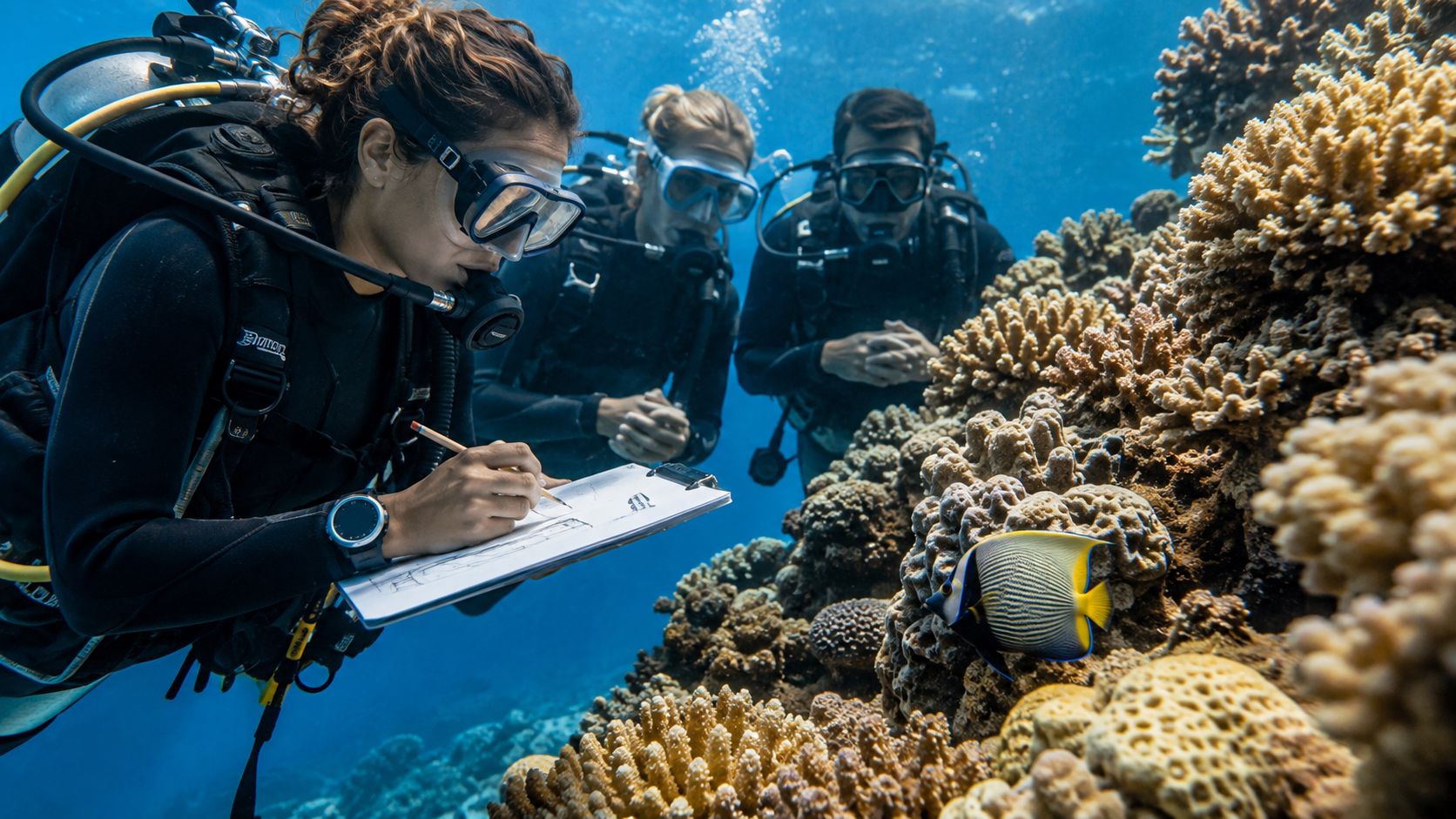
The strongest reef education happens in the water, not in a resort briefing room. Ask for a guide who calls out coral health, species identification, and reef etiquette while the group is on site. Pair that with practical reef protection, including a zinc-based sunscreen routine and a rash guard, and follow the benefits of zinc sunscreen for surfers approach to reduce chemical runoff and cut the amount of sunscreen washing into the water.
Treat the reef like a living classroom
A sharp reef guide will point out what casual snorkelers and divers usually miss, such as camouflaged fish, cleaning stations, coral shape differences, and the way current changes where different species gather. That turns a simple swim into a real learning experience without slowing the trip down or turning it into a lecture.
Use these rules:
- Never feed fish: It changes natural behavior and makes the reef less natural over time.
- Hold your trim steady: Good buoyancy protects coral and keeps the group safe.
- Stay patient: The best sightings often happen when you stop rushing.
- Take notes: A slate or underwater notepad helps you remember species and behaviors.
Respect first, camera second.
That mindset changes the whole outing. If you leave Cozumel understanding what you saw and how to protect it, you got more than a photo gallery. You got a clearer reason to plan the next dive or snorkel with Scuba Life Cozumel and arrive better prepared.
7. Dive Site Specialization and Wall Diving Techniques
Wall diving in Cozumel is not something to improvise. The island's famous vertical reef edges reward divers who understand current management, depth awareness, and buoyancy discipline. If you try to treat a wall like a flat reef, you'll spend the dive correcting mistakes instead of enjoying the terrain.
The best move is to learn the site language first. Santa Rosa, Palancar, Yucab, and Colombia each ask for slightly different habits, and the guide's briefing matters more here than it does on a casual reef swim. If you're already certified but new to wall profiles, ask for a conservative plan and stay close to the guide the entire time.
Don't wing wall dives
Wall techniques are basic, but they have to be clean:
- Match your skill level: Advanced training helps, especially before deeper walls.
- Watch your computer: Depth and time matter more on vertical profiles.
- Control your buoyancy: One sloppy fin kick near a wall can ruin the reef.
- Stay with the group: Don't drift off to explore on your own.
A good wall dive feels calm, not dramatic. The current should do the work while you focus on breathing, spacing, and the edge of the reef dropping away below you. If you're tempted to chase depth, don't. Cozumel rewards conservative diving far more often than aggressive diving.
Local knowledge proves invaluable. A guide who knows the site can place you where the drift is manageable and the visibility lines up with your comfort level. That's also why Cozumel is a place to book, not to guess your way through.
8. Seasonal Marine Life Migration and Seasonal Dive Planning
Pick your dates with a purpose. Cozumel shifts by season, and the right month can determine whether you get calmer water, warmer conditions, or more active marine life. Guided trips stay useful year-round, but the experience changes enough that you should plan around conditions, not just the calendar.
Winter usually brings steadier diving. Summer tends to offer warmer water and a different mix of marine activity. Spring can work well if your goal is to observe reef behavior more closely. None of that is a promise, but it gives you a smart basis for booking.
Pick your dates around conditions, not hope
Use this approach:
- Book winter earlier: The better dates fill quickly because conditions are usually more dependable.
- Use summer for flexibility: It can suit travelers who want warmer water and a looser schedule.
- Leave room for weather shifts: Do not load every activity onto one exact day.
- Ask about seasonal species: Local guides know what is likely without overselling it.
If your schedule is fixed, build the trip around one or two water days and keep the rest open. That gives you room to move a snorkel outing, certification session, or private charter if conditions change. Cozumel works better when your plan is organized but not rigid, and Scuba Life Cozumel can help you shape that plan around the season you booked.
Do not build the whole trip around one perfect day. Build around a strong plan that can adjust.
That is the difference between a smooth trip and a frustrating one. The better approach is simple, choose the right season, book the right activity mix, and let the guide make the final call on site selection.
9. Equipment Rental, Maintenance, and Personal Gear Selection
Good gear makes a huge difference, but perfect gear doesn't have to be expensive or complicated. For most visitors, the right setup is a well-fitted mask, dependable fins, and rental support for the rest. That keeps your bag light and removes the biggest source of discomfort, which is bad fit.
Bring your own equipment only if you already know what works. Otherwise, let the shop fit you properly and use the dive day to test comfort before worrying about upgrades. Scuba Life Cozumel's gear support is built for that kind of practical, trip-first approach, where the goal is comfort and safety, not a showroom case full of equipment.
Fit matters more than brand names
The order should be simple:
- Mask first: A leaky mask ruins snorkeling and diving faster than anything else.
- Fins second: Don't choose by looks, choose by how they move in the water.
- Rental service third: Ask for maintenance checks and proper sizing before you board.
- Thermal protection last: Pick the right suit for your season and comfort level.
If you're planning multiple days in the water, test everything on day one and report issues immediately. A good crew will adjust gear, swap sizes, or point out a better option before the next outing. That's especially useful on an island where many people arrive with limited vacation time and no room for a gear mistake.
Rinse your equipment after each session and keep it simple. No one needs a complicated setup to enjoy Cozumel's reefs. They need gear that fits, staff who check it, and a clear plan for the day.
10. Stay-and-Dive Vacation Planning and Resort Coordination
The cleanest Cozumel trips start with the water plan, then everything else follows. If you already know you want multiple dives, snorkeling, or a certification course, book lodging and activities together. That cuts down on transfer headaches, bad pickup timing, and the usual morning scramble between breakfast, bags, and the dock.
Cozumel also works better when the schedule is coordinated in advance. The island handles a heavy flow of visitors in a compact area, so a stay-and-dive plan saves time and energy compared with piecing everything together after arrival.
Build the trip around the dives
Start with the number of water days you want. Then match the resort location, pickup logistics, and meal timing to that plan. If you are doing a course, stay close enough to avoid stress before early departures. If this is a family trip, leave space for non-diving days so the itinerary does not feel built for divers only.
A few practical choices make the trip run smoother:
- Book together: Lock in lodging and dive dates at the same time.
- Check dock access: Confirm where pickup happens before the night before.
- Protect rest time: Avoid stacking long dive days back to back unless that pace suits you.
- Leave weather slack: Keep open slots for land time or snorkeling if conditions change.
If you want a broader package-style approach, the guide to Cozumel packages shows how bundled planning can simplify the island side of the trip. Even so, the smarter move is to match your stay to your activities, not force the activities to fit an arbitrary hotel choice.
Cozumel rewards travelers who decide early. If you want reef dives, try scuba, snorkeling, private charters, or a course, contact Scuba Life Cozumel and book the exact experience you want instead of trying to assemble it after arrival. Their setup fits guided diving, beginner training, reef snorkeling, and coordinated boat days, which makes it easier to turn your Cozumel plan into a confirmed schedule before the trip starts.
Top 10 Cozumel Activities Comparison
| Offer | 🔄 Implementation Complexity | ⚡ Resource / Logistics | 📊 Expected Outcomes / Impact | 💡 Ideal Use Cases | ⭐ Key Advantages |
|---|---|---|---|---|---|
| Guided Two-Tank Certified Dives on Cozumel's Reef Wall | Moderate–High, boat ops, dual tanks, deeper profiles | High, twin tanks, experienced guides, boat maintenance | High-quality deep-wall encounters, extended bottom time, excellent visibility | Certified divers seeking iconic wall and drift dives | World-class sites, small groups, professional safety standards |
| Discover Scuba Diving (Try Scuba) for First-Time Divers | Low, confined-water progression then shallow open water | Low–Medium, instructor time, pool/shore access, basic gear | Safe intro to breathing underwater and basic skills; limited depth/time | Vacationers with no certification wanting a first dive | Low barrier, confidence-building, affordable gateway to certification |
| Guided Snorkeling Excursions on Shallow Reef Formations | Very Low, surface-level activity, minimal training | Low, masks/fins/snorkels, short boat or shore transfers | Broad marine viewing at shallow depths; family-friendly engagement | Families, non-divers, multigenerational groups | Lowest barrier and cost, easy scheduling, inclusive for all swimmers |
| Private Boat Charters for Families and Small Groups | Medium, custom itinerary planning and coordination | High, exclusive vessel, dedicated crew, flexible provisioning | Highly personalized experience combining snorkel and dive options | Families, celebrations, mixed-ability groups | Privacy, full customization, focused attention and timing |
| PADI Certification Courses (Open Water, Advanced, Specialty) | High, structured academics plus confined/open-water sessions | High, multi-day instructor time, pool/site use, study materials | Recognized credential enabling independent global diving | Aspiring certified divers, career-minded or long-term hobbyists | International certification, progressive skill pathway, eLearning option |
| Marine Life Observation, Reef Ecology Education & Reef Safety | Moderate, educational content and patient pace required | Moderate, specialist guides (marine biologists), educational materials | Deeper understanding, stewardship motivation, improved reef protection | Environmentalists, educators, eco-conscious travelers | Meaningful conservation insight, promotes responsible behavior |
| Dive Site Specialization and Wall Diving Techniques | High, advanced skills (current, depth, decompression awareness) | Medium–High, experienced instructors, advanced gear, planning | Safer, competent exploration of Cozumel walls and drift sites | Experienced/advanced divers pursuing technical progression | Increases safety/confidence for challenging wall environments |
| Seasonal Marine Life Migration and Seasonal Dive Planning | Low–Medium, requires research and flexible scheduling | Low, planning time, possible date flexibility, seasonal gear prep | Optimized species encounters and better site/visibility selection | Wildlife enthusiasts and flexible planners | Maximizes chances for target sightings and ideal conditions |
| Equipment Rental, Maintenance, and Personal Gear Selection | Low, standard rental workflows; maintenance protocols needed | Moderate, inventory, fit checks, cleaning, staff expertise | Reliable, well-fitted gear for safe dives; reduces travel logistics | Travelers without gear or testing new equipment | Convenience, professional maintenance, reduces packing burden |
| Stay-and-Dive Vacation Planning and Resort Coordination | Medium, multi-party coordination and package design | Moderate, resort partnerships, transfers, bundled bookings | Seamless, low-stress vacation with integrated dive logistics | First-time visitors, busy travelers, families | Single-point coordination, time savings, optimized itineraries |
Ready to Book Your Cozumel Adventure?
Use these 10 essential experiences to build a Cozumel itinerary that fits the island you're visiting. Guided two-tank dives belong at the top of the list for certified divers, Discover Scuba is the right entry point for beginners, snorkeling should be guided if you want the reef without the guesswork, and private charters make sense the moment your group has mixed skill levels or mixed priorities. PADI courses, ecology-focused dive days, wall training, seasonal planning, gear selection, and stay-and-dive coordination all serve the same goal, more time in the water and less time fixing bad decisions after you land.
Scuba Life Cozumel fits this topic cleanly because it offers the services that matter most here, guided scuba diving, snorkeling excursions, Discover Scuba, PADI training, private charters, and gear support. If you want to spend your time on reefs instead of sorting logistics, that's the right place to start. Pack reef-safe sunscreen, bring the right gear, and build your booking around the season and the activity level you want.
Book your Cozumel dive or snorkel day with Scuba Life Cozumel if you want guided reef time, beginner instruction, private charters, or PADI training planned around your vacation. Their team can help you match the right activity to your schedule, your group, and your experience level, so you're not guessing once you're on the island.