
You roll backward off the gunwale, break the surface, and the whole world turns turquoise, then cobalt. That first breath matters because Cozumel rewards divers who know exactly where they're going, and punishes the ones who book by postcard. The island's best-known reefs sit along a protected southwestern corridor that runs about 30 kilometres, with visibility often in the 24–46 metres range and water at 26–29°C, so the key question isn't whether to dive Cozumel, it's which reef matches your card, your nerves, and your air consumption. If you've been scrolling through the best dive sites Cozumel can offer and still can't tell which ones are for a calm first drift, which ones demand sharp buoyancy, and which ones deserve a two-tank day, this guide cuts straight to the answer.
Table of Contents
- 1. Palancar Reef Cozumel's Most Iconic Wall Dive
- 2. Santa Rosa Wall Dramatic Drop-Off and Pelagic Action
- 3. Chankanaab Park Reef Beginner-Friendly Coral Gardens and Protected Waters
- 4. Black Dragon Herradura Advanced Wall Diving with Unique Topography
- 5. Maracaibo Drift Diving Through Thriving Coral Canyons
- 6. Tormentos Reef Shallow Coral Gardens with Prolific Fish Life
- 7. Punta Sur South Point Macro Marine Life and Protected Sanctuary Diving
- 8. Columbia Reef Moderate Depth Wall Diving with Excellent Intermediate Appeal
- Top 8 Cozumel Dive Sites Comparison
- Plan Your Cozumel Dive Trip Like a Local
1. Palancar Reef Cozumel's Most Iconic Wall Dive
Palancar is the reef people mean when they say Cozumel ruined every other Caribbean dive for them. It's a system, not a single patch of coral, and that matters because the site gives you different personalities in the same day, from garden-style cruising to deeper structure and long, clean drifts. Independent dive-travel data rates Cozumel at 80.7/100 and lists a standard 2-tank dive at about $95 USD, which is one reason Palancar still sits near the top of every serious diver's list for a first boat day on the island. Cozumel dive overview and conditions
The profile is what sells it. You get broad coral formations, swim-throughs, and a wall-to-blue-water feel that makes a normal reef dive look flat by comparison. Morning departures are the smart move here because visibility usually starts cleaner before the day stirs up more water movement, and that clean water is exactly what makes the reef structure pop.
Two-tank pick for this reef
Best match: one tank at Palancar, one tank at a gentler reef if your buoyancy is solid but your drift comfort is still developing.
If you're certified and want a strong, classic Cozumel day, ask for the first tank. If you're booking through Scuba Life Cozumel's Cozumel diving guide, say you want Palancar on the front end and let the crew pair it with something easier if the current is working. That's the correct use of a two-tank day, one marquee reef, one reef that keeps the day comfortable.
For first-timers doing supervised training, the product listing 2 PM – Discover Scuba Diving – 2 Boat Dives fits the same logic, a controlled introduction first, then a second site only if conditions and supervision support it. Keep your buoyancy tight, brief on current direction before descent, and stay honest about how comfortable you are with current. Palancar rewards divers who hold position cleanly and punish the ones who kick too hard.
2. Santa Rosa Wall Dramatic Drop-Off and Pelagic Action
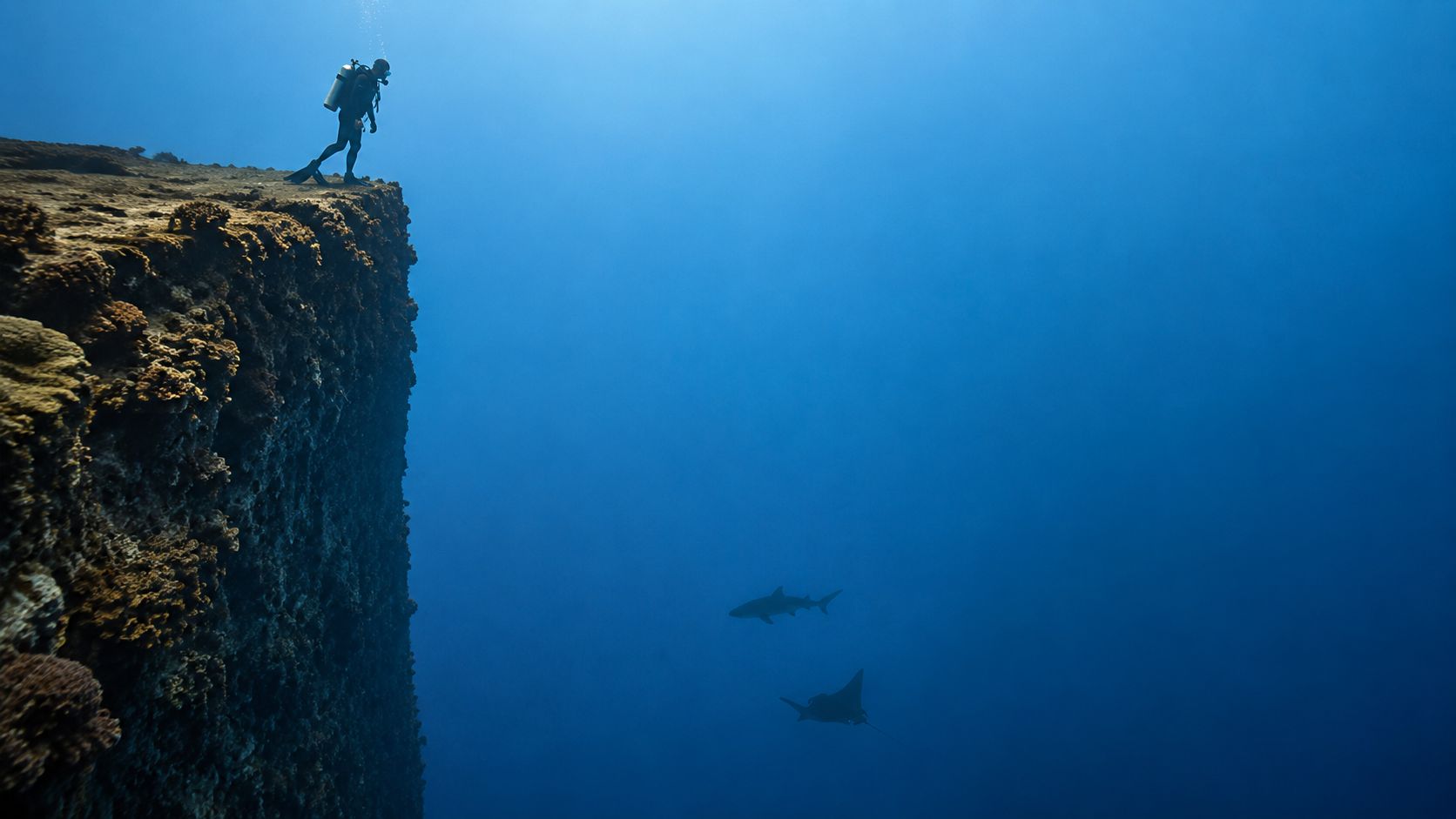
Santa Rosa Wall is the dive for people who want Cozumel to feel bigger than the tank on their back. Dressel Divers places it at 72–82 ft with moderate conditions, and that's the right frame for it, because this is a wall dive that wants concentration, not casual flailing. Dressel Divers Cozumel dive-site guide
The wall itself is the draw, a dramatic edge where the reef falls away and the blue starts taking over. Current becomes part of the experience instead of a nuisance. You're not fighting the island here, you're using it, staying mid-wall, watching for movement in the open water, and keeping your depth honest so the dive stays controlled instead of creeping deeper than intended.
Why experienced divers ask for it
Certified divers should treat Santa Rosa as a precision dive, not a sightseeing stroll. A fast camera helps if you're chasing pelagics, but only if you already know how to hold trim and shoot without sliding into the wall or dropping too low. This site pairs best with an early schedule, when the ocean is usually calmer and your team can set a cleaner drift line.
The practical rule is simple.
Practical rule: if your buoyancy still feels tentative, ask for a gentler reef on the second tank and save Santa Rosa for a day when you're fresh, focused, and breathing slowly.
A good operator will talk current direction before the drop and keep the group together across the wall. That's the kind of dive management that matters here more than any brochure language. Santa Rosa is one of the best dive sites Cozumel has for divers who want a wall, a real drift, and enough space in the blue to remind them why the island is famous.
3. Chankanaab Park Reef Beginner-Friendly Coral Gardens and Protected Waters
Chankanaab is where new divers stop feeling like visitors and start feeling like they're diving. It sits in protected water, which is exactly why it works so well for Discover Scuba and first open-water sessions, and it's the kind of reef where you can practice mask clearing, regulator recovery, and controlled breathing without the site itself becoming the problem. The planning link PADI Open Water eLearning fits naturally here because this is the reef where classroom knowledge becomes usable skill.
Independent beginner-site guidance repeatedly puts shallow, low-complexity reefs at the top of the list, and Chankanaab belongs in that category with Paradise Reef, Palancar Gardens, and San Francisco Reef. Cozumel beginner site guidance That makes it the obvious choice for anyone whose main goal is confidence, not depth.
Best use case for this reef
If you're brand new, stay in the sandy areas around 20–30 feet and use the calmer parts of the site to get your body under control before you chase fish. If you're helping a nervous spouse, a teen doing Discover Scuba, or a traveler who hasn't worn fins in years, Chankanaab is the place where the day stays enjoyable instead of stressful. The reef gives you enough color and life to feel rewarding without forcing you to deal with a hard current or a deep descent.
The catalog option PADI Advanced Open Water Diver Private Training Digital Manual Included also makes sense in a learning-focused trip, because Chankanaab is the kind of place instructors can use to build comfort before taking students to more demanding reefs. Keep your attention on the fish, but don't rush the skills. The divers who do best here are the ones who slow down and let the park do the work.
4. Black Dragon Herradura Advanced Wall Diving with Unique Topography
Black Dragon, also called Herradura, is not a “just go look around” reef. It's an advanced site with horseshoe-shaped structure, strong current, and the kind of drop-off that demands a diver who knows how to hold position without turning the dive into a workout. In the independent guide from Presidente InterContinental Cozumel, Herradura sits among the reefs that stand apart because structure changes the dive style, and this one is built for people who want a more technical feel without going fully into technical diving. Presidente InterContinental Cozumel dive guide
What makes Black Dragon memorable is the navigation. The horseshoe shape means you need to pay attention to guide signals, current, and exit strategy instead of just following a pretty wall. The depth control matters here more than on a standard drift because the reef's contours can fool you into dropping lower than planned.
How to dive it correctly
Open Water divers should not be improvising on this site. Advanced divers should still treat it conservatively, with a maximum depth that stays within recreational comfort and a backup plan for separation or disorientation. Use your computer, keep your buddy close, and listen to the briefing like it matters, because on this reef it absolutely does.
Good current-site diving is mostly restraint. Kick less, hover better, and don't chase the bottom.
The right two-tank day here is obvious for advanced guests, one demanding wall, one more moderate second reef so the boat day ends with control still intact. Black Dragon rewards calm divers who know how to read the environment and ignore the urge to descend just because the wall keeps dropping. If you want a reef that feels serious, this is one of the best dive sites Cozumel offers for that kind of mood.
5. Maracaibo Drift Diving Through Thriving Coral Canyons
Maracaibo is where Cozumel stops pretending to be a casual drift and becomes a real current dive. Dressel Divers classifies it as intermediate at 50–60 ft with drift conditions, while other independent guidance places Maracaibo among the more advanced southern dives because the current and depth can become serious quickly. Dressel Divers Cozumel dive-site guide The message is simple, this site belongs on an itinerary only when the dive team reads the day correctly.
The reef runs through coral canyons and low-profile structure, so you're not just floating over a flat top. You're moving through a shaped terrain where the current changes how the canyons feel as much as the fish do. That's why this site works best for divers who are relaxed in drift conditions and disciplined about staying with the group.
Two-tank pairing that makes sense
Maracaibo works best as the second tank after a slightly easier first dive, not as your warm-up. If you're intermediate, ask for it after a mid-depth reef where your buoyancy is already settled. If you're advanced, pair it with a classic wall site and treat the day like a progression, not a challenge contest.
Use an SMB on the safety stop and stay aware of landmarks before the descent. That's not optional on a current-heavy reef. The diver who drifts cleanly and surfaces where the boat expects wins the day, and the diver who skips the briefing spends the rest of the afternoon correcting avoidable mistakes.
Maracaibo is one of the clearest examples of why Cozumel is a drift-diving island, not a hover-and-stare island. If you like the feeling of being carried through structure instead of swimming against it, put this on your request list and don't overthink it.
6. Tormentos Reef Shallow Coral Gardens with Prolific Fish Life
Tormentos is the reef for divers who want color, density, and easy movement without sacrificing interest. It averages around 50 to 65 feet in one independent guide, which makes it deep enough to feel like a real boat dive but still forgiving enough for new and intermediate guests who want a productive second tank. Pelagic Ventures Cozumel dive sites guide
This site is also one of the smartest choices for snorkelers and divers on the same boat because the reef gives everyone something to look at without splitting the group into wildly different experience levels. Fish life stays busy here, and the coral-to-sand transitions are excellent for practicing buoyancy without constantly worrying about wall depth. If you like seeing behavior instead of just scenery, Tormentos is a strong pick.
Make it your learning reef
Use the second tank here to slow the pace down. Watch cleaning stations, track how grunts and snappers move through the coral, and use the shallower edges to fine-tune your trim. Night-diving fans also treat this kind of reef differently, because the same areas can come alive after dark with octopus and lobsters.
The internal planning page best Cozumel snorkeling tours fits naturally with Tormentos because this is the kind of site where a mixed group can stay happy. One diver can work on buoyancy while another stays closer to the top and still gets a legitimate reef experience.
If you're building a sensible two-tank day, Tormentos belongs on the short list for beginners and snorkelers, and it still holds value for certified divers who want a lower-stress second site after something more ambitious. It doesn't need hype. It works because it's calm, rich, and easy to enjoy.
7. Punta Sur South Point Macro Marine Life and Protected Sanctuary Diving
Punta Sur is the southernmost side of the island, and that remoteness shows up underwater. The reef feels more protected and more deliberate than the busier mid-island sites, which is exactly why macro divers and photographers keep asking for it. Independent regional data also notes that 35% of Cozumel's reef is under full protection, and Punta Sur is the kind of site where that conservation pressure matters because the dive feels like a sanctuary, not a theme park. Healthy Reefs assessment of Cozumel
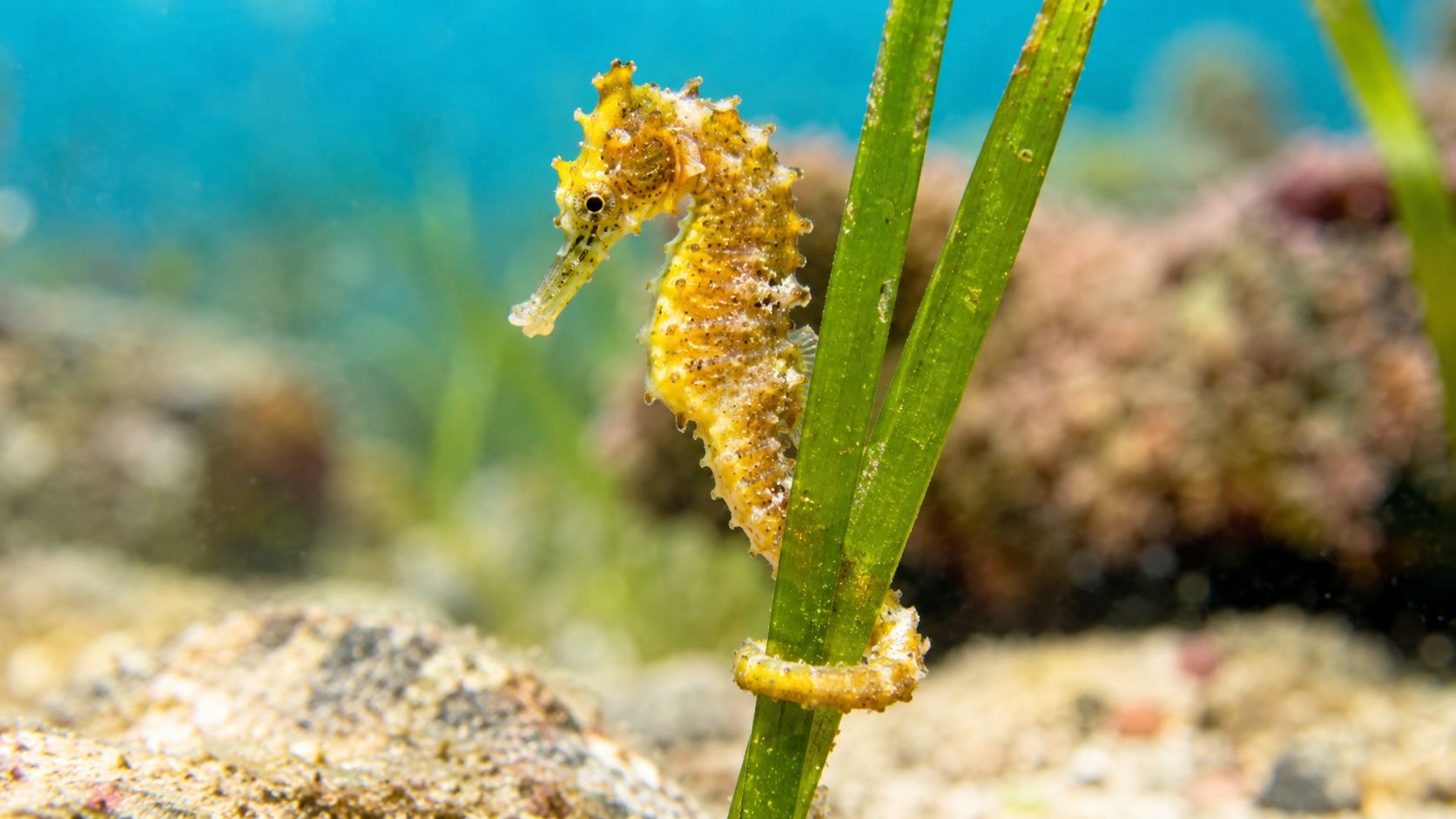
The marine life here rewards patience. Don't rush the reef. Stay low, hover cleanly, and let the smaller stuff appear on its own terms. If your camera bag includes macro gear, this is the place to use it.
Why this site matters
Punta Sur sits outside the easy, casual circuit. That means more travel time by boat, a stronger need to coordinate with the crew, and a better reason to respect the briefing. Ask where the reserve boundaries are, where the interesting micro life tends to show up, and how the current is moving before you enter. That small amount of prep pays off because this reef rewards divers who slow down.
The right pairing is a stronger site first, then Punta Sur if conditions and certification fit. Don't put it on a beginner day just because the name sounds scenic. This is a reef for divers who care about observation, composition, and the kind of quiet that lets you spot detail instead of just chasing big animals.
If you want a dive day that feels less crowded and more intentional, Punta Sur belongs high on your request list. It's not the most famous reef in Cozumel, but for photographers and natural-history minded divers, it can be one of the most satisfying.
8. Columbia Reef Moderate Depth Wall Diving with Excellent Intermediate Appeal
Columbia Reef is the sweet spot for divers who are past beginner reefs but not chasing the hardest site on the boat. One independent guide places Colombia Cordillera at 72 ft with drift conditions and marks it as advanced, while beginner-site guidance keeps Colombia Shallows in the easy category. Dressel Divers Cozumel dive-site guide Island Life Mexico beginner guidance That spread tells you everything you need to know, Columbia is a family of reefs, and the right section depends on who's on the boat.
For intermediate divers, the appeal is obvious. You get wall energy, clean structure, and manageable current without having to commit to the most intimidating southern sites. It's a progression reef, which means it helps divers build confidence while still feeling like a proper Cozumel day.
Best way to use Columbia
Use Columbia as the first dive if you're comfortable in current and want to ease into a wall profile. Use it as the second dive if you want the morning to be a little softer. Either way, stay mid-water, keep your trim tight, and let the wall stay in front of you instead of climbing down to inspect every nook.
Recommended mindset: treat Columbia as your bridge from shallow reefs to serious wall dives.
This is the reef to book when you want your diving to improve without turning the day into a stress test. It's also a smart choice for mixed groups because stronger divers can enjoy the structure while newer certified divers still stay within sensible limits. That flexibility is why Columbia keeps showing up on serious Cozumel itineraries.
Top 8 Cozumel Dive Sites Comparison
| Site | Complexity 🔄 | Resources ⚡ | Expected Outcomes ⭐📊 | Ideal Use Cases 💡 | Key Advantages ⭐ | Primary Drawbacks |
|---|---|---|---|---|---|---|
| Palancar Reef: Cozumel's Most Iconic Wall Dive | Intermediate–Advanced; strong currents and vertical walls | Two-tank boat, dive computer, reef hook optional; moderate transit | High likelihood of large pelagics; world-class photo/video opportunities | Guided wall dives; advanced open-water progression; underwater photography | Dramatic wall topography; abundant marine life; excellent visibility | Strong currents; depth requires certification; popular (crowds) |
| Santa Rosa Wall: Dramatic Drop-Off and Pelagic Action | Intermediate–Advanced to Advanced; near-vertical drop, surge-prone | Experienced guide, advanced kit, SMB, fast-shutter camera recommended | Frequent shark and large-pelagic encounters; dramatic blue-water vistas | Shark-focused dives; advanced drift/wall training; pelagic photography | Premier site for sharks and rays; powerful visual impact | Powerful currents and depth hazards; seasonal variability; safety demands |
| Chankanaab Park Reef: Beginner-Friendly Coral Gardens | Beginner–Intermediate; shallow, protected conditions | Land or short-boat access, basic gear, park fees | Reliable tropical fish sightings; stable learning environment | Discover Scuba, family dives, skills practice, snorkeling | Protected marine park; accessible for mixed groups; excellent learning site | Peak-season crowding; limited pelagic sightings; access regulations/fees |
| Black Dragon (Herradura): Advanced Wall Diving | Advanced; complex navigation, strong currents, deep sections | Boat, expert guides, redundant instruments, advanced training gear | Pristine coral, strong large-fish sightings; challenging exploration rewards | Advanced specialties, technical skills development, expert wall exploration | Unique horseshoe topography; minimal human impact; rich marine life | Unsuitable for novices; navigational complexity; limited operator availability |
| Maracaibo: Drift Diving Through Coral Canyons | Intermediate–Advanced; drift currents and variable flow | Boat, drift briefing, SMB, good surface communication | Dynamic drift with continuous fauna encounters; efficient air use | Drift-diving practice, specialty drift/naturalist training | Exciting sense of movement; varied topography and consistent life | Requires comfort in currents; less stationary observation; current unpredictability |
| Tormentos Reef: Shallow Coral Gardens | Beginner–Intermediate; shallow and low surge | Shore or short-boat access, basic kit, ideal for snorkelers | Prolific reef fish sightings; long bottom times for practice | Discover Scuba, family snorkeling/dives, marine-education trips | Accessible, consistent sightings, family-friendly | Fewer pelagics; snorkeling crowds in peak season; less dramatic for advanced divers |
| Punta Sur (South Point): Macro & Protected Sanctuary Diving | Intermediate–Advanced; remote with variable currents | Longer boat transit, macro/photo gear, reserve fees | High-value macro encounters; rare/endemic species; pristine conditions | Macro photography, naturalist/ecological dives, low-traffic exploration | Protected reserve, unique species, excellent visibility | Longer transit and cost; weather sensitivity; limited operator services |
| Columbia Reef: Moderate Depth Wall Diving | Intermediate; manageable currents and moderate depths | Standard boat dive, routine gear; good for progression | Accessible wall experiences with reliable fish populations | Progression from shallow reefs toward wall skills; navigation training | Balanced wall challenge; excellent for building confidence; healthy reef | Less dramatic than premier walls; fewer large pelagics; moderate current persists |
Plan Your Cozumel Dive Trip Like a Local
The fastest way to waste a Cozumel day is to book random reefs and hope the ocean cooperates. The better move is to match the itinerary to the certification card in your wallet, the current on the day, and how much air you tend to use. For a Discover Scuba / Open Water day, pair Chankanaab with Tormentos, because both support calm skill-building and won't overwhelm a new diver who still needs to settle into buoyancy. For an Intermediate day, pair Columbia with Maracaibo, because that gives you one reef that builds confidence and one that proves whether your drift skills hold. For an Advanced day, pair Palancar with Santa Rosa or Black Dragon, because those combinations give you the structure, current, and depth that make Cozumel worth flying for.
Gear matters too. A 3mm wetsuit is the sensible winter choice, and a 5mm makes more sense if you're diving deeper walls where thermoclines can bite. Bring an SMB for drift dives, and use reef hooks only if you already know how to deploy them cleanly on current sites. Keep your no-fly time in mind, follow DAN protocols if anything goes sideways, and verify that the operator is a PADI 5 Star shop before you hand over a day of your vacation.
For simple execution, book through Scuba Life Cozumel if you want one operator that can handle two-tank boat dives, Discover Scuba, PADI Open Water and Advanced Open Water private training, snorkeling excursions, private charters, stay-and-dive packages, and resort pier pickup. Their local site knowledge spans the island's major reefs, which is what you want when the difference between a good day and a wasted one is often just the morning site pairing. If you're trying to line up a clean, no-drama Cozumel trip, book early, state your certification clearly, and ask for the two reefs that fit your level instead of the two names that look best on a menu.
If you want a Cozumel dive day planned around the reefs that fit your level, book with Scuba Life Cozumel. They handle two-tank boat dives, training dives, snorkeling, and private trips, so you can spend less time guessing and more time on the reefs that matter.