
Why do so many people ask for the best snorkeling spots in Cozumel as if one reef can fit every traveler? On this island, the smarter question is which site fits your group, your confidence level, and the day's conditions. Cozumel's reef system sits right offshore inside the Cozumel Reefs National Park, a protected marine area established in 1996 that helped formalize conservation of the island's coral communities and made reef quality a defining draw for snorkelers (best snorkeling spots in Cozumel 2026). Independent guides consistently put Palancar Reef, Columbia Reef, and El Cielo near the top, and some operators report 80+ feet of visibility on many days, with coral health and marine-life density driving those rankings (best snorkeling spots in Cozumel 2026).
The planning question is practical, not poetic. Do you want shallow water, a calm entry, and easy fish spotting, or do you want a stronger drift and more serious reef structure? Guides also describe El Cielo as waist-deep and beginner-friendly, while Columbia Shallows can produce 3–5 turtle sightings on a single snorkeling pass and water temperatures of 78–84°F year-round (complete guide to snorkeling Cozumel 2026). That's why operators like Scuba Life Cozumel can match a reef to the morning's conditions instead of forcing every group onto the same “famous” stop. For travelers who want a quick comparison before booking, the right starting point is the island's own mix of boat-only reefs, shore-access spots, and shallow beginner sites, not just the brochure favorites.
Table of Contents
- 1. Palancar Reef Complex
- 2. Columbia Reef Shallow
- 3. Maracaibo Reef
- 4. El Cedral Reef
- 5. Tormentos Reef
- 6. Dzul-Ha Reef
- 7. Yucab Reef
- 8. Santa Rosa Wall
- Top 8 Cozumel Snorkeling Spots Comparison
- How to Pick the Right Reef for Your Day
1. Palancar Reef Complex
Palancar is the reef many picture when they think of Cozumel. It's broad, dramatic, and flexible enough to work for different skill levels, which is why local guide roundups keep putting it at the center of the island's snorkeling conversation (best snorkeling spots in Cozumel guide). For snorkelers, the smart move is to treat Palancar as a mixed-ability boat site, not a casual shore outing.
The reef complex includes different sections, and that matters. Palancar Shallow is the part that makes sense for relaxed snorkeling and Discover Scuba-style introductions, while deeper zones reward divers more than surface swimmers. If you're traveling with a group that includes both snorkelers and certified divers, this is one of the easiest places to keep everyone happy on the same boat.
Practical rule: Start at the shallow section, then let the captain and guide decide whether the day favors a longer drift or a shorter in-and-out visit.
For a first-time snorkeler, Palancar works best with an experienced operator that controls entry, timing, and drift. The reef can be beautiful, but if the current is moving and your group doesn't have good kick control, the site can turn into a slow float with limited time on the best coral. That's why local teams often pair Palancar with structured guiding rather than self-directed snorkeling.
If your trip also includes a certification focus, a product like PADI Advanced Open Water Diver private training fits naturally into the same reef logic, because this is the kind of site where experience level changes the value of the dive fast. Scuba Life Cozumel's own Cozumel diving guide is useful for understanding why guides treat Palancar as a flagship reef instead of a one-note snorkel stop.
If you want the classic Cozumel boat day, Palancar is still one of the safest bets. If you want a quiet shoreline session, it isn't the right fit.
2. Columbia Reef Shallow
Columbia Shallows is the reef I'd send to a family that wants real snorkeling, not just a pretty swim. It sits in shallow, calm water, and that gives newer snorkelers a better chance to stay relaxed and look around instead of worrying about depth and drift. In local guide comparisons, Columbia Reef is repeatedly flagged as the island's top all-around site for wildlife and snorkel quality (best snorkeling Cozumel).
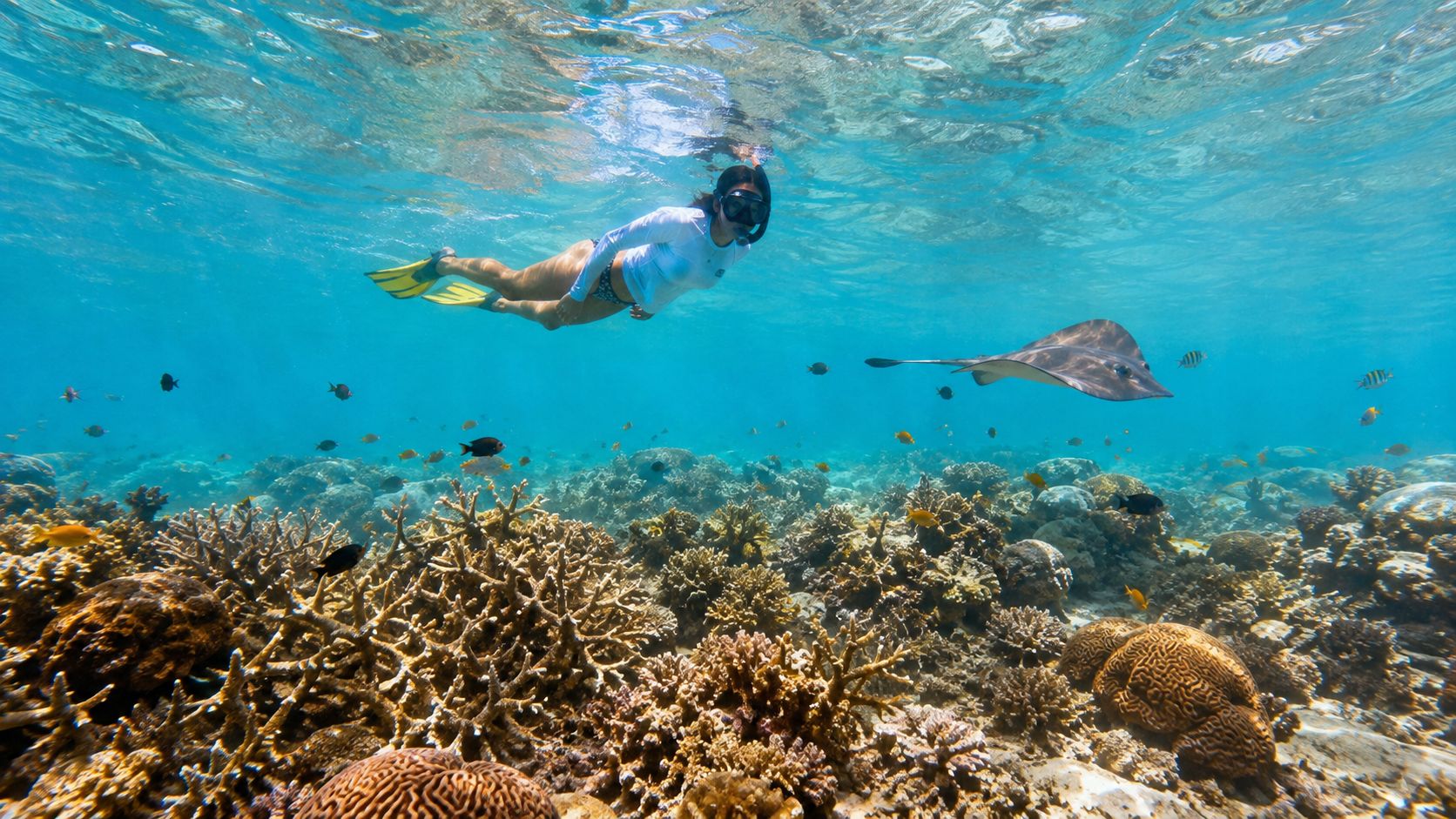
The main reason this site works is simple. The reef is shallow enough that you can stay oriented, but still rich enough to feel like you're over a living reef instead of a sandy swim lane. Because it's a boat-access site, the operator matters more here than at a shore entry. A guide who positions the boat well can make the difference between a calm, easy drift and a crowded, awkward entry.
For mixed groups, Columbia is one of the cleanest compromises on the island. Strong swimmers can hover and explore, while hesitant snorkelers can stay close to the guide and still see plenty. It's also one of the better fits for Discover Scuba participants who need a shallow, controlled open-water environment before they move into more demanding sites.
Watch the reef, not the surface. In shallow water, beginners waste time staring at the boat line and miss the fish working the coral heads below them.
The trade-off is that this kind of site gets attention. If you arrive late, you're more likely to feel the crowding around mooring positions and less likely to enjoy the reef at an easy pace. That's why early departures are a better fit for Columbia than casual, mid-day add-ons.
Columbia Shallows is the site I'd choose for a family that wants a strong chance of seeing turtles without dealing with a technical reef day. It's not the most intimidating reef on the island, and that's exactly why it works.
3. Maracaibo Reef
Maracaibo is for travelers who want a reef with structure, not just fish. The wall formation creates a dramatic change in terrain, with shallow coral gardens giving way to deeper water, so the site feels educational even before anyone talks about marine life. That shape makes it useful for certified divers and for snorkelers who want to understand how Cozumel's reefs are built.
The upper plateau is the part snorkelers should care about. Stay there and you'll get a manageable, visually rich experience without forcing the group into water that belongs to divers. Drop farther down and the site shifts into a much more serious terrain profile, which is exactly why this reef works best with a strong guide and a disciplined group.
Maracaibo is a smart pick for mixed private charters because the captain can keep snorkelers in the shallow zone while certified divers take advantage of the wall. That's a much better use of boat time than sending everyone to a site where only half the group can really enjoy the terrain. In practice, that's what makes Maracaibo feel efficient.
Here's the trade-off. If your party wants an easy, floating vacation stop, Maracaibo can feel like too much reef and not enough leisure. If your party wants a reef that feels alive, layered, and worth briefing properly, this site delivers. It's especially good for travelers who care about reef structure, not just species lists.
The best Maracaibo visits are the ones where nobody pushes past the plateau. The wall is for looking at, not chasing.
Maracaibo is also a good fit for buoyancy-focused training and for groups who've outgrown beginner reef loops. That doesn't mean it's hard for everyone, but it does mean the site rewards people who listen on the boat, hold position well, and don't kick coral.
If you're trying to build a day that includes both snorkeling and a deeper reef segment, Maracaibo is one of the few Cozumel sites that can support both without making either group feel like an afterthought.
4. El Cedral Reef
El Cedral has a different kind of value. People come for the reef, but the site also carries historical weight because it's linked to the first recorded scuba dive in Mexico. That gives the stop a cultural layer most reef sites don't have, and it's one reason educational groups and mixed-interest travelers keep it on the shortlist.
The water here works for snorkelers who want a less rushed reef session. There's a shallow, accessible zone for surface time, and there are deeper areas nearby for certified divers, which makes the site efficient for a private charter that wants more than one kind of underwater experience in a single outing. The land-side bonus is the nearby El Cedral ruins, which make the overall visit feel fuller than a standard boat stop.
That combination changes how I'd schedule it. A morning reef visit works best if the group also wants time for the ruins later in the day. Trying to squeeze the cultural side in after a long, hot boat afternoon usually makes both parts feel compressed. If you book it with a guide who can talk through the site history on the boat, the stop becomes more than a swim.
For families, El Cedral is a good fit when the parents want the trip to have some context beyond fish spotting. For students or curious travelers, it gives you a reason to slow down and ask why Cozumel's reef culture matters in the first place. It's not the most dramatic snorkel of the day, but it can be the most memorable for the right group.
I'd avoid treating El Cedral as a pure “wow” reef. That's the wrong lens. The value is in the blend of history, reef access, and flexible use by guides who know how to pace a day. If you want a trip that feels layered instead of rushed, this is a strong candidate.
5. Tormentos Reef
Tormentos is not the reef I'd assign to a nervous first-timer. The site has a reputation for stronger conditions, and the reward is a more energetic reef with lively marine activity and a sense that the water is doing something. That makes it a better fit for experienced snorkelers who don't mind being asked to read current instead of just floating.
The best way to use Tormentos is with a guide who respects the day. If the current is right, the reef can produce a really satisfying drift-style session. If the sea is moving too much, the site stops being fun fast. There's no virtue in forcing a bad entry because the name sounds adventurous.
For confident swimmers, that trade-off is exactly the appeal. You get a site that doesn't feel sanitized, and you get a better chance of seeing larger movement patterns around the reef. Tormentos also belongs in the conversation for divers who like a bit of challenge and don't want the easiest route every time.
Here's the practical profile I'd use:
- Best traveler profile: strong swimmers, experienced snorkelers, adventure seekers
- Current risk: meaningful enough that you need to listen to the guide
- Operator type: experienced captain, small group, drift-aware briefing
- Not ideal for: kids, anxious beginners, anyone who tires easily
The biggest mistake here is treating Tormentos like a leisurely reef garden. It isn't. This is one of those places where confidence and technique matter more than how pretty the water looks from the boat. If the operator knows the site well, the day can be excellent. If they don't, the same reef becomes a workout.
Tormentos is the right choice when the group wants to earn the underwater time. It's not for everyone, and that's fine. Good snorkel planning isn't about making every reef work for every traveler.
6. Dzul-Ha Reef
Dzul-Ha earns its place because it gives you a real Cozumel snorkel day without the baggage of the headline sites. Independent comparison pages keep pointing out that the island's famous reefs get most of the attention, while shore-access alternatives are often underexplained. Dzul-Ha sits right in that gap, which is why practical travelers keep coming back to it (snorkeling spots compared).
The appeal is straightforward. It's easier to use than the famous offshore names, and it's less of a “book the boat or miss the reef” situation. That makes it useful for travelers who want flexibility, casual access, or a lower-pressure start to the day. It also helps distribute some of the pressure away from the most crowded boat-focused routes.
Best Cozumel snorkeling tours are worth checking here if you want local guidance without trying to self-assemble the logistics. Dzul-Ha is the kind of place where a good operator can save you time and help you judge whether the day should be a shore session or part of a longer reef plan.
A few traits make this site work well for real-world travelers:
- Family appeal: good for mixed-age groups that want to keep things simple
- Trip style: better for low-stress, less commercialized outings
- Crowd strategy: useful when you want to avoid the most obvious signature stops
- Best use case: a shorter, flexible snorkel session with a guide who knows the coast
Dzul-Ha isn't the most dramatic reef on the island, and that's the point. It's a practical choice for travelers who value convenience and a quieter feel over bragging rights. If your goal is to get in the water and enjoy the reef without over-planning every detail, this site belongs on the list.
7. Yucab Reef
Yucab is the kind of reef that makes sense for a group with mixed confidence levels. It's compact, approachable, and usually easier to work into a half-day plan than the more demanding offshore sites. That's a big reason it keeps showing up in family-oriented snorkeling discussions and guided trip planning.
The shallow plateau is the key. It gives beginners a place to settle in without immediately drifting into terrain that feels technical. At the same time, the reef still offers enough structure and life to keep a non-beginner from feeling bored after ten minutes. That's a rare balance, and it matters when you're trying to satisfy people with different comfort levels in the same boat.
Yucab also works well for travelers with limited vacation time. If you only have one short window to snorkel, a site that doesn't require a lot of mental overhead is a better investment than a dramatic but demanding wall. The goal is not to “check off” the most famous reef, it's to leave the water wanting one more pass.
For first-time snorkelers, I like Yucab because it reduces the number of ways the day can go wrong. You still need basic buoyancy control, but the reef doesn't ask as much of you as Tormentos or Santa Rosa. That makes it a sensible teaching site and a good choice for parents who don't want to overcomplicate a family outing.
If you're looking for a balanced, low-drama reef with enough life to feel worthwhile, Yucab is one of the island's better choices. It won't be the most talked-about reef in the harbor, and that's fine. It does the job well.
8. Santa Rosa Wall
Santa Rosa Wall is the most dramatic site on this list, and it's also the easiest one to misread. The vertical drop is built for divers, but the shallow plateau still gives snorkelers a real experience if the operator keeps the group where it belongs. In local guide roundups, Santa Rosa is treated as a premium wall site, not a casual snorkel stop (best dive sites Cozumel).
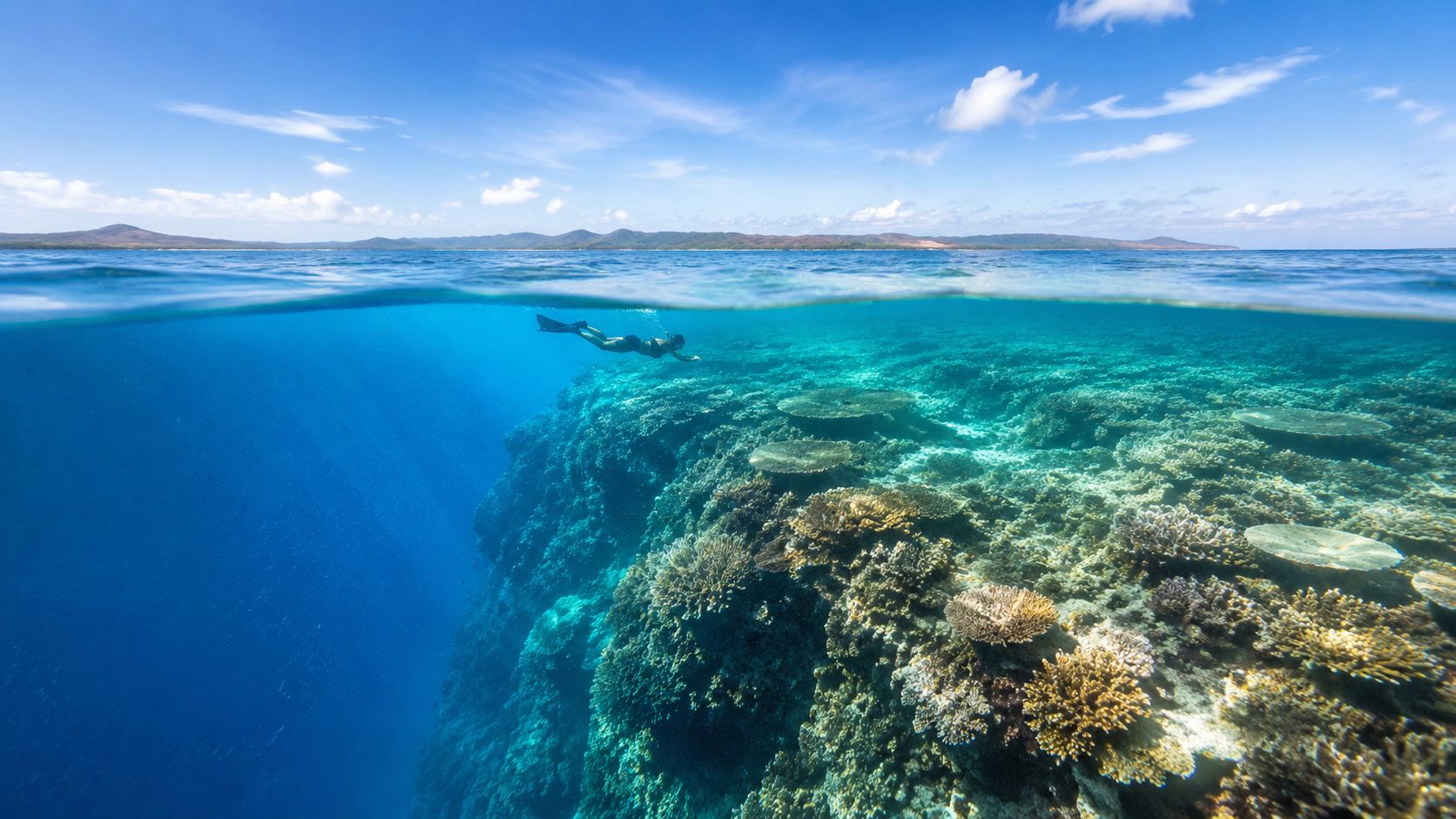
The main rule here is simple. Snorkel the shallow plateau, and let the wall be a visual landmark rather than a place to push toward. If the current is strong, the site demands a disciplined guide and a group that listens. If the captain is experienced, Santa Rosa can be a very memorable stop for certified divers and snorkelers traveling together.
This is the site I'd choose for a mixed group where the divers want something serious and the snorkelers are happy to stay conservative. It also works well for photographers who want that big-drop backdrop without pretending it's a beginner-friendly reef. The water can feel cooler here because of the depth nearby, so extra exposure protection makes sense.
For planning, Santa Rosa is best treated as a condition-dependent site. You don't pick it because it's famous, you pick it because the boat, the current, and the group profile line up. That's the kind of choice experienced operators make on the day, not in a generic brochure.
If your group includes snorkelers and certified divers, Santa Rosa works best when the snorkelers accept the plateau and the divers accept the current. That keeps everybody in their lane.
If you want one of the most impressive reef experiences Cozumel can offer, Santa Rosa belongs high on the list. If you want easy, shallow, lazy snorkeling, it doesn't. That distinction is exactly why it belongs in a serious shortlist.
Top 8 Cozumel Snorkeling Spots Comparison
| Site | 🔄 Complexity (skill & process) | ⚡ Resources & logistics | ⭐ Expected outcome (quality) | 💡 Ideal use cases | 📊 Key advantages |
|---|---|---|---|---|---|
| Palancar Reef Complex | Mixed, suitable from snorkelers to advanced divers; drift options possible | Short boat rides; many operators; well-established moorings | ⭐⭐⭐⭐⭐ High biodiversity, dramatic reefs, excellent visibility | Mixed-ability groups, photographers, families | Iconic multi-section reef, predictable conditions, abundant life |
| Columbia Reef (Shallow) | Low, calm, shallow waters ideal for novices | Minimal gear; safe for kids; convenient access | ⭐⭐⭐⭐ Very good shallow coral gardens and stable conditions | Families, Discover Scuba, first-time snorkelers | Safe, less crowded, excellent for shallow photography |
| Maracaibo Reef | Moderate, plateau for snorkelers; wall requires certified divers | Requires experienced boat positioning; dive-certified guides for wall | ⭐⭐⭐⭐ Dramatic scenery with strong marine encounters | Mixed groups, educational dives, photography | Unique wall + plateau topography; less crowded than signature sites |
| El Cedral Reef | Low–Moderate, easy snorkel zones with deeper options for certified divers | Can combine with shore visit to ruins; smaller boat capacity | ⭐⭐⭐⭐ Good biodiversity with cultural/historical context | Educational/cultural groups, families, history enthusiasts | Historical significance; combined land-and-sea experience |
| Tormentos Reef | High, strong currents and variable conditions; for experienced participants | Needs experienced guides, responsive boat handling; drift-ready ops | ⭐⭐⭐⭐⭐ Outstanding wildlife encounters; dynamic experiences | Experienced snorkelers/divers, adventure seekers, pro photographers | High fish density, large pelagics, less crowded, very rewarding |
| Dzul-Ha Reef | Low–Moderate, manageable depths suitable for many abilities | Fewer operators; slightly longer ride from some ports | ⭐⭐⭐⭐ High-quality reef with more intimate encounters | Visitors avoiding crowds, sustainable-tourism supporters | Less-trafficked, personal experience, supports reef stewardship |
| Yucab Reef | Low, shallow plateau optimized for beginners and families | Minimal logistics; easy navigation; group-friendly | ⭐⭐⭐⭐ Consistently reliable, safe snorkeling experience | Families, Discover Scuba, mixed-ability groups | Safe, consistent conditions; easy exploration and training site |
| Santa Rosa Wall | High, technical wall diving; strong currents; advanced skill needed | Requires experienced operators, careful current management | ⭐⭐⭐⭐⭐ Premier visual quality and photographic potential | Advanced/technical divers, specialty courses, pro photographers | Most dramatic wall site, exceptional visibility, technical training ground |
How to Pick the Right Reef for Your Day
The best Cozumel reef is the one that matches your group, not the one with the most fame. If you've got first-timers or kids, start with Columbia or Yucab, because shallow water and calmer conditions reduce stress and keep the day enjoyable. If you're traveling with a mixed-ability group, Palancar Shallow or the Maracaibo plateau make more sense, because they give stronger swimmers enough reef while keeping the less confident people in a manageable zone.
For strong swimmers and adventure seekers, Tormentos or Dzul-Ha are better fits, depending on whether you want more current or more flexibility. If your group includes certified divers plus snorkelers, Santa Rosa or Maracaibo works well because the boat can split attention without wasting the site on the wrong audience. That kind of matching is what turns a decent trip into a clean one.
Season matters too. The December-April window is usually the better bet for calmer seas, while June-September brings warmer water but more reason to watch for surge and changing conditions. For snorkelers, that means the same reef can feel very different from one week to the next. Famous doesn't always mean best on the day.
That's why I'd book with a local operator that checks conditions in the morning rather than pre-selling a fixed fantasy. A company like Scuba Life Cozumel can choose the reef based on the boat load, the current, and the people on board, which is exactly how Cozumel should be done. The reef choice should serve the day, not the other way around.
If you want the short answer, reserve a guided snorkeling excursion and let the captain pick the site that fits your group and the morning's water. That's the fastest way to spend more time looking at coral and less time wishing you'd chosen a different reef.
If you want a Cozumel snorkel day planned around real conditions, not generic rankings, book with Scuba Life Cozumel. Their guided reef trips, private charters, and beginner-friendly options make it easier to match the right site to your group's comfort level. Visit their site, choose the trip type that fits your day, and let a local captain put you on the reef that makes sense.